Last hours in Novosibirsk, before the train
Olga began the drive back with a story about God, which is how the best geology lessons start.
When the world was made, she said, the riches were parcelled out continent by continent, and by the time the sack reached Siberia the work had gone on too long, so the whole thing was simply turned upside down and shaken out. Later, rested, God looked at what he had done and decided he had been unfair to everyone else. So he buried it all — under impassable bogs, under dense forest, under permafrost — and said: if you want it, use your brains.
I have heard versions of that joke in every resource-rich country I have worked in. Only here does it come with a punchline about intelligence. And it is, in a way, the whole argument for Akademgorodok in four sentences.
Permafrost itself was found by accident in the nineteenth century by a merchant digging a well. He kept going down looking for water, found frozen ground instead, and never reached the bottom of it. In parts of Yakutia today they drill several hundred metres for water. The ground does not stop being frozen just because you would like it to.
Underneath the institute
We passed the Institute of Nuclear Physics again, with its collider beneath it. Olga had been inside once, accompanying an American ambassador; access is not easy and there are things not shown. She had expected to see the machine and instead found herself in a tunnel, looking at one section of something too large to look at.
Here she made her claims, and she made them with feeling. That the Novosibirsk institute built a large share of the components at CERN. That the new photon source going up out there is unique. That in supersonic weapons the Americans are a decade behind. That the digital state services on her phone — one button for a doctor’s appointment, the rent, a bank transfer, a train ticket — do not exist anywhere else, and that specialists who come here are astonished.
I let the numbers go by. The instinct behind them is the interesting part, and it is one I recognise from other places that feel unseen: we are doing serious things, nobody abroad knows, and the not-knowing has begun to feel deliberate. She used Iran as her comparison, unprompted. Enclosed, she said. People know nothing about us. It’s a pity.
Then she told me about the American students at the Opera House — the one completed during the war, by women, because the men were at the front — who asked her whether the Soviet Union had taken part in the Second World War. She told them it was the country that won it, at a cost of twenty-seven million lives. They did not believe her.
That story has been polished by retelling. It is also, I suspect, close enough to true.
And on the ride back she reversed the polarity and said, more or less, that everything I have been told about her country is propaganda too. Which is where I have to be careful. The honest answer is that the picture of Russia I get at home is thin, and the picture I was being given in the car was also curated. Two flattened images do not average out into a true one.
Monday, when the museums are closed
We stopped at the railway museum and found it shut. Not restoration. Monday. Everything is shut on Monday.
But the guard knew her, and she went and asked, and we were allowed to stand inside the fence and look.
More than a hundred locomotives, in rows, in the open. Steam engines, diesels, and at the far end, painted yellow, the snowploughs. Every one of them worked this line. Standing beside a Trans-Siberian locomotive on a Monday, with nobody else in the place, having ridden here on the railway they belong to — that is worth more than the guided hour.
On one boiler there is a bas-relief of Lenin and Stalin. Stalin has been unscrewed. After the secret speech the portraits came off across the whole country, and here you can see the empty fixing where a face used to be. A museum that has left its own edits visible is doing something braver than most.
The oldest engine is narrow-gauge, built in Germany at the end of the nineteenth century. It came here with the Germans, who used it to bring timber out of the taiga to the main line. When they left, it stayed. It went into a bog, and it was still in the bog decades later when men cutting wood found it, lifted it, cleaned it and gave it to the museum.
Olga let me climb into a cab and photographed me pretending to drive, which is the correct behaviour of a grown man in a railway museum and I make no apology for it.
She said the Moscow railway museum is not as good. I have not seen Moscow’s, so I record the claim without comment.
What people drive, and why
That set her off, and the car conversation that followed told me more about the economy than any briefing.
Lada is still the car, Vasily confirmed from the front — and the Niva in particular, out in the country, because it survives roads that are not roads. Olga said English farmers had told her the same thing, which surprised her. They told her their own cars are excellent as long as somebody has already built a surface for them.
The rest is Japanese, Chinese, Korean, German, and mostly second-hand. There is a whole trade running out of Vladivostok and Khabarovsk: in Japan an ageing car becomes a tax and a disposal cost, so it is sold for a few hundred dollars to a Russian importer, shipped, and distributed west across the country. Which is why, thousands of kilometres from the Pacific, you keep noticing cars with the steering wheel on the right. Parliament once banned them, and the Far East, where nearly everyone drives one, simply refused. The law was quietly put off. Chinese makes are now assembled inside Russia, so the freight comes out of the price.
Olga’s verdict on where this ends: China will swallow everything.
I said what I have thought for years — that China moves enormously and quietly, quarrels with nobody, balances everyone, and improves behind closed doors. She agreed, then qualified it in a way I have not heard put so bluntly by anyone here. Officially they are friends, Putin and Xi say so, but the friendship arrived because the West left, not because anyone chose it. And she does not entirely trust it. Today he is your friend, she said, and tomorrow he has found somewhere better.
She also offered a saying she attributes to Americans: if you want a prototype, ask a Russian; if you want a million of them, ask the Chinese.
The parts I am not going to print
Then we went round the whole twentieth century — Gorbachev, whom she calls a traitor, Yeltsin, whom she describes chiefly by his drinking, Kazakhstan, Chechnya, and a long passage on the war in Ukraine.
I wrote in the earlier piece that I am not reproducing this, and I am holding to that. Some of it is contested; some of it is simply not so; one strand about the deaths of Western leaders belongs to a genre of history that circulates in every country and stands up in none. She told it all in complete good faith, which is the point and the problem at once.
What I will keep is a detail with no politics in it at all. She has a student here in Akademgorodok whose father is in Kyiv and will not leave his flat. That father is real. Whatever anyone believes about how this started, he is still in the flat.
No signal
The telephone thing I did not expect, and it has practical consequences for our work, so I am writing it down.
Messaging apps have been throttled here. WhatsApp arrived for Olga only that morning, hours late, carrying my colleagues’ messages asking whether she had found me. Around certain installations mobile internet goes off entirely, and sometimes voice with it. When her mother was in hospital near an aircraft plant in May, she could not call a taxi to get home.
That matches what my own groups reported: from Moscow to Novosibirsk, nothing; after Irkutsk the connection returned and held all the way to Vladivostok. SMS gets through, more or less, sometimes late. Cards do not work at all — I tried mine in the restaurant out of curiosity and it was refused, and Olga laughed and said two more banks had been sanctioned that week.
Cash. Roubles, in hand, before departure. Tell the passengers before they board, not after.
The old town, and a small bronze joke
Because the museum visit had cost us less time than expected, Olga took a detour to show me the wooden houses on the side streets — the ones I recognised at once from the Old Believer villages, and which she says are simply Siberian, brought here by Russian settlers. Ground floor in brick, upper storey in timber, because brick was expensive, wood was everywhere, and, more to the point, wood holds heat.
Count the windows, she said. The more windows, the richer the man, because every window is heating you pay for all winter. It is a beautifully simple way to read a street.
The window surrounds are painted, and the colours mean things: blue for the sky, yellow for the sun and the energy it gives, green for nature, white for the clouds — and on the clouds, angels.
Then, at a junction, one of the best monuments I have ever stopped for.
A bronze policeman, in old uniform, with a comfortable belly, standing beside an early traffic light and saluting it. He has come across a new machine in his city, has no idea what it does, and so does the only correct thing available to him. People rub his stomach for luck. I crossed the road and saluted with him, and made Olga take the photograph twice because the first time she pressed the wrong thing.
Nearby, mounted on a wall, an old Singer sewing machine, marking the workshop that made clothing for the front.
The Puppet House
She had one more idea, and it was a professional one: a restaurant whose designer, she said, took a European prize in 2011. It is called Puppenhaus — the Puppet House. You ring a bell to be let in.
Inside it is not a restaurant with a theme. It is a collection with tables in it. The owner is a devotee of puppet theatre who has spent years and a great deal of money at auctions, and the result is rooms and half-rooms and alcoves and staircases, every one furnished differently, full of marionettes, old books, kerosene lamps, and a piano that looks like it is waiting for someone. Even the lavatories are done as separate little worlds. Children cannot be dragged out of it. Guests treat it as a museum and order coffee as the entrance fee.
We sat with a beer and a cappuccino — no Russian beer on the taps, which amused us both, the Czech and German bottles having survived every sanction — and I took notes like the buyer I am. Open every day, midday to midnight. Kitchen closes around ten, so after the opera it is dessert and drinks only. Walking distance from the Opera House. Groups need to order in advance and want two hours, not less. A la carte takes about forty minutes. Roughly three thousand roubles a head, which is about thirty-eight dollars, and which for what it is, is not expensive.
The Opera House itself runs year-round, and since some years back they sing in the original languages rather than in Russian translation. That matters for a cultural programme. I want the repertoire.
When we finished, Olga asked whether she owed me for the coffee. She asked twice. She explained, slightly apologetically, that she has to ask, because now everyone pays for themselves and Americans in particular tend to say yes.
I told her that in my tradition she is hosting me and I am buying her coffee, and that asking again would be the rudest thing I could do.
To the station
She has almost no work now. The agencies here are small — two years of COVID, then the conflict, then the sanctions — and Westerners have effectively stopped coming. She takes a job when someone calls. Before, she worked the Altai and Khakassia programmes, the Far North, the Far East, and the Golden Eagle, and she taught, because doing only one thing, she says, makes you tired of it.
She was a girl who nearly became a mathematician and chose foreign languages instead so that she could meet the world. Then the world stopped coming. And she is still standing at the kerb of a closed railway museum on a Monday, persuading a guard to let one Turkish visitor look at some locomotives.
At the station I thanked her properly. She said, as she had three or four times during the day, that people sometimes tell her she is too enthusiastic and that they get tired of it.
One last note, from the flight in, which I keep turning over. I walked the aisle and counted somewhere between forty and fifty passengers reading actual books. Thick ones, paper. On the flights I usually take, everyone is watching something.
I do not want to build a theory out of one aeroplane. But I noticed it, and Olga was not surprised in the slightest, and tonight I get back on the train and go west with thirty passengers of my own.
Novosibirsk, 28 July 2026
Trafik Işığına Selam Duran Polis
Novosibirsk’te son saatler, trenden önce
Olga dönüş yolculuğuna Tanrı’yla ilgili bir hikâyeyle başladı ki en iyi jeoloji dersleri de böyle başlar.
Dünya yaratılırken, dedi, zenginlikler kıta kıta paylaştırılmış. Çuval Sibirya’ya geldiğinde iş çoktan uzamış, Tanrı’Nın canı sıkılmış o yüzden çuvalı ters çevirip silkelemiş. Sonra Tanrı dinlenmiş, yaptığına bakmış ve herkese haksızlık ettiğine karar vermiş. Bunun üzerine hepsini gömmüş: geçilmez bataklıkların, sık ormanların, donmuş toprağın altına. Ve şöyle demiş: istiyorsanız aklınızı kullanın.
Bu şakanın çeşitli versiyonlarını çalıştığım bütün yeraltı zengini ülkelerde duydum. Ama yalnızca burada sonunda zekâya dair bir cümle var. Ve bir bakıma Akademgorodok’un tüm gerekçesi bu dört cümlede duruyor.
Donmuş toprağın kendisi de on dokuzuncu yüzyılda tesadüfen bulunmuş; kuyu kazan bir tüccar tarafından. Adam su ararken aşağı inmiş, su yerine donmuş toprak bulmuş ve dibine hiç varamamış. Bugün Yakutistan’ın bazı yerlerinde suya ulaşmak için yüzlerce metre deliniyor. Toprak, siz öyle istiyorsunuz diye donmuş olmaktan vazgeçmiyor.
Enstitünün altındakiler
Altında colider (hızlandırıcı) bulunan Nükleer Fizik Enstitüsü’nün önünden yeniden geçtik. Olga bir kez içeri girmiş, bir Amerikan büyükelçisine eşlik ederken; giriş kolay değil ve gösterilmeyen şeyler var. Makineyi göreceğini sanmış, kendini bir tünelin içinde, bakılamayacak kadar büyük bir şeyin tek bir bölümüne bakarken bulmuş.
İddialarını burada sıraladı ve hepsini inanarak söyledi. CERN’deki parçaların önemli bir bölümünün Novosibirsk enstitüsünde üretildiğini. Şu an inşa halindeki yeni foton kaynağının eşsiz olduğunu. Süpersonik silahlarda Amerikalıların on yıl geride kaldığını. Telefonundaki devlet hizmetlerinin – tek tuşla doktor randevusu, kira ödemesi, banka havalesi, tren bileti – başka hiçbir yerde bulunmadığını ve buraya elen uzmanların şaşırdığını.Adeta bizim e-devlet sistemine atıfta bulunuyor hissettim.
Rakamları geçtim. İlginç olan, arkalarındaki dürtü ve bunu görülmediğini hisseden başka yerlerden de tanıyorum: ciddi işler yapıyoruz, yurtdışında kimse bilmiyor, ve bu bilmeyiş artık kasıtlı gibi geliyor. Karşılaştırma olarak İran’ı verdi, kendiliğinden. Kapatıldık, dedi. İnsanlar bizim hakkımızda hiçbir şey bilmiyor. Yazık.
Sonra Opera Binası’ndaki Amerikalı öğrencileri anlattı. O bina savaş yıllarında, erkekler cephede olduğu için kadınlar tarafından tamamlanmıştı; öğrenciler ona Sovyetler Birliği’nin İkinci Dünya Savaşı’na katılıp katılmadığını sormuş. Olga da savaşı kazanan ülkenin burası olduğunu, bedelinin yirmi yedi milyon can olduğunu söylemiş. İnanmamışlar.
Bu hikâye anlata anlata cilalanmış. Ama sanırım gerçeğe de yeterince yakın.
Dönüş yolunda ise kutbu tersine çevirdi ve aşağı yukarı şunu söyledi: kendi ülkesi hakkında bana anlatılan her şey de propagandadır. İşte burada dikkatli olmam gerekiyor. Çünkü dürüst cevap şu: memlekette bana ulaşan Rusya tablosu incedir, arabada bana sunulan tablo da özenle kurulmuştu. İki yassı görüntü toplanıp bir gerçek etmiyor.
Pazartesi, müzelerin kapalı olduğu gün
Demiryolu müzesine uğradık ve kapalı bulduk. Restorasyon değil. Pazartesi. Her şey pazartesi kapalı. Ama görevli onu tanıyordu, gidip rica etti ve çitin içine girip bakmamıza izin verdiler.
Açık havada, sıra sıra dizilmiş yüzden fazla lokomotif. Buharlılar, dizeller ve en uçta sarıya boyanmış kar temizleme makineleri. Hepsi bu hatta çalışmış. Bir pazartesi günü, kimsenin olmadığı bir müzede, ait oldukları demiryoluyla oraya gelmiş biri olarak bir Trans-Sibirya lokomotifinin yanında durmak – rehberli bir saatten daha değerli.
Bir kazanın üzerinde Lenin ile Stalin’in kabartması var. Stalin sökülmüş. O meşhur konuşmadan sonra portreler bütün ülkede indirilmişti; burada bir yüzün durduğu yerdeki boş vida yuvasını görebiliyorsunuz. Kendi düzeltmelerinin izini silmeyen bir müze, çoğundan cesur bir iş yapıyor demektir.
En eski lokomotif dar hatlı ve on dokuzuncu yüzyılın sonunda Almanya’da yapılmış. Buraya Almanlarla gelmiş; taygadan ana hatta kereste taşımak için kullanılmış. Onlar gidince o kalmış. Bataklığa gömülmüş ve yıllar sonra ormanda odun kesen işçiler bulana kadar orada kalmış. Çıkarmışlar, temizlemişler ve müzeye vermişler.
Olga makinist kabinine çıkmama izin verdi ve sürüyormuş gibi yaparken fotoğrafımı çekti; bir demiryolu müzesinde yetişkin bir adamın yapması gereken doğru davranış budur ve özür dilemiyorum.
Moskova’daki demiryolu müzesinin bu kadar iyi olmadığını söyledi. Moskova’dakini görmedim, o yüzden iddiayı yorumsuz kaydediyorum.
İnsanlar ne kullanıyor, neden
Bu konu onu açtı ve ardından gelen araba sohbeti bana ekonomiyi herhangi bir ön bilgilendirmeden daha iyi anlattı.
Lada hâlâ o araba; Vasili öndeki koltuktan doğruladı. Özellikle de Niva, kırsalda, çünkü yol olmayan yollarda ayakta kalıyor. Olga İngiliz çiftçilerin de kendisine aynısını söylediğini, buna şaşırdığını anlattı. Adamlar ona kendi arabalarının mükemmel olduğunu, yeter ki birileri önceden bir yol yapmış olsun demişler.
Gerisi Japon, Çin, Kore, Alman ve çoğu ikinci el. Vladivostok ile Habarovsk üzerinden yürüyen bir ticaret var: Japonya’da yaşlanan bir araba vergiye ve imha masrafına dönüşüyor, birkaç yüz dolara bir Rus ithalatçıya satılıyor, gemiyle taşınıyor ve ülkenin batısına dağıtılıyor. Bu yüzden Pasifik’ten binlerce kilometre uzakta, direksiyonu sağda arabalar görüyorsunuz. Parlamento bir zamanlar bunları yasaklamış, neredeyse herkesin böyle araba kullandığı Uzak Doğu reddetmiş, yasa da sessizce ertelenmiş. Çin markaları artık Rusya içinde monte ediliyor, yani navlun fiyattan düşüyor.
Olga’nın bunun nereye gideceğine dair hükmü: Çin her şeyi yutacak.
Ben de yıllardır düşündüğüm şeyi söyledim: Çin muazzam ve sessiz ilerliyor, kimseyle kavga etmiyor, herkesi dengeliyor ve kapalı kapılar ardında gelişiyor. Katıldı, sonra buradaki hiç kimseden duymadığım kadar açık bir şekilde şerh düştü. Resmî olarak dostuz, Putin ile Şi öyle diyor, ama bu dostluk kimse seçtiği için değil Batı gittiği için kuruldu. Ve tam olarak güvenmiyor. Bugün dostunuzdur, dedi, yarın kendine daha iyi bir yer bulmuştur.
Bir de Amerikalılara atfettiği bir söz aktardı: prototip istiyorsanız bir Rus’a sorun, bir milyon tanesini istiyorsanız Çinlilere.
Yazmayacağım kısımlar
Sonra bütün yirminci yüzyılı dolaştık. Hain dediği Gorbaçov, çoğunlukla içkisiyle tarif ettiği Yeltsin, Kazakistan, Çeçenistan ve uzun bir Ukrayna bölümü.
Bir önceki yazımda bunu aktarmayacağımı yazmıştım, sözümde duruyorum. Bir kısmı tartışmalı, bir kısmı düpedüz gerçek değil; Batılı liderlerin ölümlerine dair bir kol ise her ülkede dolaşan ve hiçbirinde ayakta duramayan bir tarih türüne ait. Hepsini tam bir iyi niyetle anlattı, ki mesele de sorun da tam olarak bu.
Saklayacağım şey, içinde hiç siyaset olmayan bir ayrıntı. Burada, Akademgorodok’ta bir öğrencisi var; babası Kiev’de ve evinden çıkmıyor. O baba gerçek. Bu işin nasıl başladığına dair kim ne düşünürse düşünsün, adam hâlâ o evde.
Çekmiyor
Telefon meselesini beklemiyordum ve işimiz açısından pratik sonuçları olduğu için yazıyorum.
Mesajlaşma uygulamaları burada kısıtlanmış. Olga’ya WhatsApp o sabah, saatler gecikmeyle ulaşmıştı; içinde meslektaşlarımın beni bulup bulmadığını soran mesajları vardı. Bazı tesislerin çevresinde mobil internet tamamen kesiliyor, bazen sesli arama da. Mayısta annesi bir uçak fabrikasının yakınındaki hastanedeyken eve dönmek için taksi çağıramamış.
Bu, kendi gruplarımın anlattığıyla birebir örtüşüyor: Moskova ile Novosibirsk arasında hiçbir şey yok; Irkutsk’tan sonra sözde bağlantı geri geliyor ve Vladivostok’a kadar sürüyor. SMS aşağı yukarı gidiyor, bazen gecikmeli. Kartlar ise hiç çalışmıyor. Merakımdan restoranda denedim, reddedildi; Olga güldü ve o hafta iki bankaya daha yaptırım geldiğini söyledi.
Nakit. Ruble, elde, yola çıkmadan önce. Yolculara trene binmeden söyleyin, bindikten sonra değil.
Eski şehir ve bronzdan küçük bir şaka
Müze ziyareti beklediğimizden az zaman aldığı için Olga beni ara sokaklardaki ahşap evleri görmeye götürdü. Eski İnananlar köylerinden hemen tanıdığım evler; kendisi bunların basitçe Sibirya evi olduğunu, buraya Rus yerleşimcilerle geldiğini söylüyor. Zemin kat tuğla, üst kat ahşap; çünkü tuğla pahalıydı, ahşap her yerdeydi ve daha önemlisi ahşap ısıyı tutuyor.
Pencereleri sayın, dedi. Ne kadar çok pencere varsa adam o kadar zengindir, çünkü her pencere bütün kış ödeyeceğiniz bir ısınma masrafıdır. Bir sokağı okumanın son derece basit ve güzel bir yolu.
Pencere çerçeveleri boyalı ve renklerin anlamı var: mavi gökyüzü, sarı güneş ve verdiği enerji, yeşil doğa, beyaz bulutlar. Ve bulutların üzerinde melekler.
Sonra bir kavşakta, hayatımda uğradığım en güzel anıtlardan biri.
Bronzdan bir polis. Eski üniformalı, rahat bir göbeği var, yanındaki ilk trafik ışığının önünde duruyor ve ona selam çakıyor. Şehrinde beliren yeni bir makineyle karşılaşmış, ne işe yaradığını bilmiyor, dolayısıyla yapabileceği tek doğru şeyi yapıyor. İnsanlar uğur getirsin diye karnını ovuyor. Karşıya geçip onunla birlikte selam durdum ve Olga’ya fotoğrafı iki kez çektirdim, çünkü ilkinde yanlış yere basmıştı.
Az ötede, duvara monte edilmiş eski bir Singer dikiş makinesi; cepheye giysi üreten atölyenin işareti.
Kukla Ev
Bir fikri daha vardı ve bu kez mesleki bir fikirdi: tasarımcısının 2011’de Avrupa çapında bir ödül aldığını söylediği bir restoran. Adı Puppenhaus, yani Kukla Ev. İçeri girmek için zil çalıyorsunuz.
İçerisi temalı bir restoran değil. Masaları olan bir koleksiyon. Sahibi kukla tiyatrosu tutkunu; yıllarını ve epey parasını müzayedelerde harcamış. Sonuç, her biri ayrı döşenmiş odalar, yarım odalar, nişler ve merdivenler; kuklalarla, eski kitaplarla, gaz lambalarıyla ve birini bekliyor gibi duran bir piyanoyla dolu. Tuvaletler bile ayrı birer küçük dünya olarak yapılmış. Çocukları oradan koparmak mümkün değil. Misafirler burayı müze gibi geziyor ve kahveyi giriş ücreti gibi ısmarlıyor.
Bir bira ve bir kapuçino ile oturduk – musluklarda Rus birası yoktu, ki bu ikimizi de güldürdü; Çek ve Alman şişeleri her yaptırımdan sağ çıkmıştı – ve ben de olduğum satın almacı gibi not tuttum. Her gün açık, öğlenden gece yarısına kadar. Mutfak onda kapanıyor, yani operadan sonra tatlı ve içkiyle sınırlı. Opera Binası’na yürüme mesafesinde. Gruplar için önceden sipariş şart ve en az iki saat gerekiyor, Rusya’da servis yavaş. Alakart yaklaşık kırk dakika sürüyor. Kişi başı üç bin ruble civarı, yani otuz sekiz dolar kadar; ne olduğu düşünülünce pahalı değil.
Opera Binası da yıl boyu çalışıyor ve birkaç yıldır eserler Rusça çeviriyle değil kendi dillerinde söyleniyor. Bu, kültür programı kuran biri için önemli. Repertuvarı istiyorum.
Kalkarken Olga kahvenin borcunu sordu. İki kez sordu. Sormak zorunda olduğunu, biraz da özür diler gibi açıkladı; çünkü artık herkes kendi hesabını ödüyormuş ve özellikle Amerikalılar evet deme eğilimindeymiş.
Ben de kendisine bizim geleneğimizde onun beni ağırladığını, kahvesini benim ısmarladığımı ve bir kez daha sormasının yapabileceği en kaba şey olacağını söyledim.
İstasyona
Artık neredeyse hiç işi yok. Buradaki acenteler küçüldü – iki yıl Covid, ardından çatışma, ardından yaptırımlar – ve Batılılar fiilen gelmeyi bıraktı. Biri aradığında bir iş alıyor. Eskiden Altay ve Hakasya programlarını, Uzak Kuzey’i, Uzak Doğu’yu ve Golden Eagle’ı çalışıyormuş; bir de ders veriyormuş, çünkü tek bir işi yapmak insanı yoruyor diyor. Aslında karnımı doğurmuyor demek istedi bence.
Neredeyse matematikçi olacakken dünyayla tanışabilmek için yabancı dili seçmiş bir kızdı. Sonra dünya gelmeyi bıraktı. Ve kendisi hâlâ, bir pazartesi günü kapalı bir demiryolu müzesinin kaldırımında durmuş, tek bir Türk ziyaretçinin lokomotiflere bakabilmesi için görevliyi ikna ediyor.
İstasyonda kendisine doğru dürüst teşekkür ettim. Gün içinde üç dört kez söylediği şeyi bir kez daha söyledi: bazen insanlar ona fazla hevesli olduğunu, bundan yorulduklarını söylermiş.
Son bir not, geliş uçağından, ve hâlâ aklımda dönüyor. Koridorda yürüdüm ve kırk ile elli arasında yolcunun gerçek kitap okuduğunu saydım. Kalın, kâğıt kitaplar. Benim genelde bindiğim uçaklarda herkes bir şey izliyor olur.
Tek bir uçaktan teori kurmak istemiyorum. Ama fark ettim, Olga hiç şaşırmadı, ve bu akşam trene dönüp kendi otuz yolcumla batıya gidiyorum.
Novosibirsk, 28 Temmuz 2026
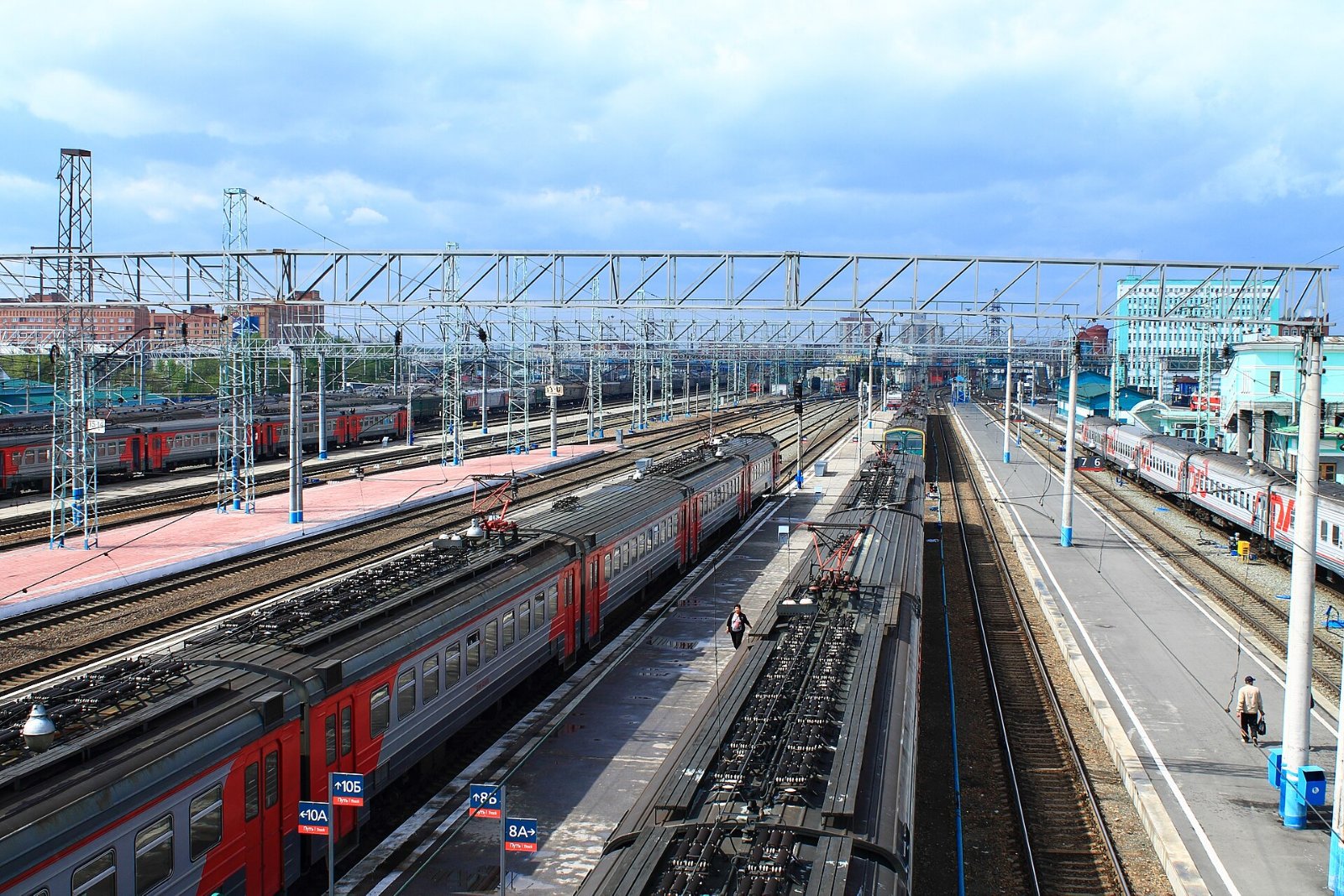
Image: Zheleznodorozhnyy rayon, Novosibirsk, Novosibirskaya oblast’, Russia – panoramio (18) — zeleninsam, CC BY 3.0, Wikimedia Commons