
When Belgian chemist Leo Baekeland pioneered the first fully synthetic plastic, Bakelite, in the early 1900s, he could hardly have envisioned the profound and pervasive impact his invention would have on the modern world.
Yet today, plastic is omnipresent, seamlessly woven into the fabric of our daily lives.
Lightweight, cost-effective, durable, and easily mass-produced, plastic quickly became the backbone of consumer convenience, finding its way into virtually every industry.
Nowhere was this more evident than in the hospitality and travel sectors, where hotels and tour operators, catering to an ever-growing number of global travellers, relied on plastic for its sheer efficiency.
From drinking straws and food packaging to toiletries, luggage tags, and souvenir production, plastic was the ultimate problem solver—until the problem itself became impossible to ignore.
The Tipping Point: A Crisis in Plain Sight
A 2017 study by waste reduction specialists Travel Without Plastic estimated that the average hotel consumes upwards of 500,000 single-use plastic items annually.
In a 2021 study 4.5% of global CO2e footprint are estimated to come from the production, use and disposal of plastics.
What was once considered an invisible necessity—part of an efficient, modern guest experience—became an environmental catastrophe unfolding in plain sight.
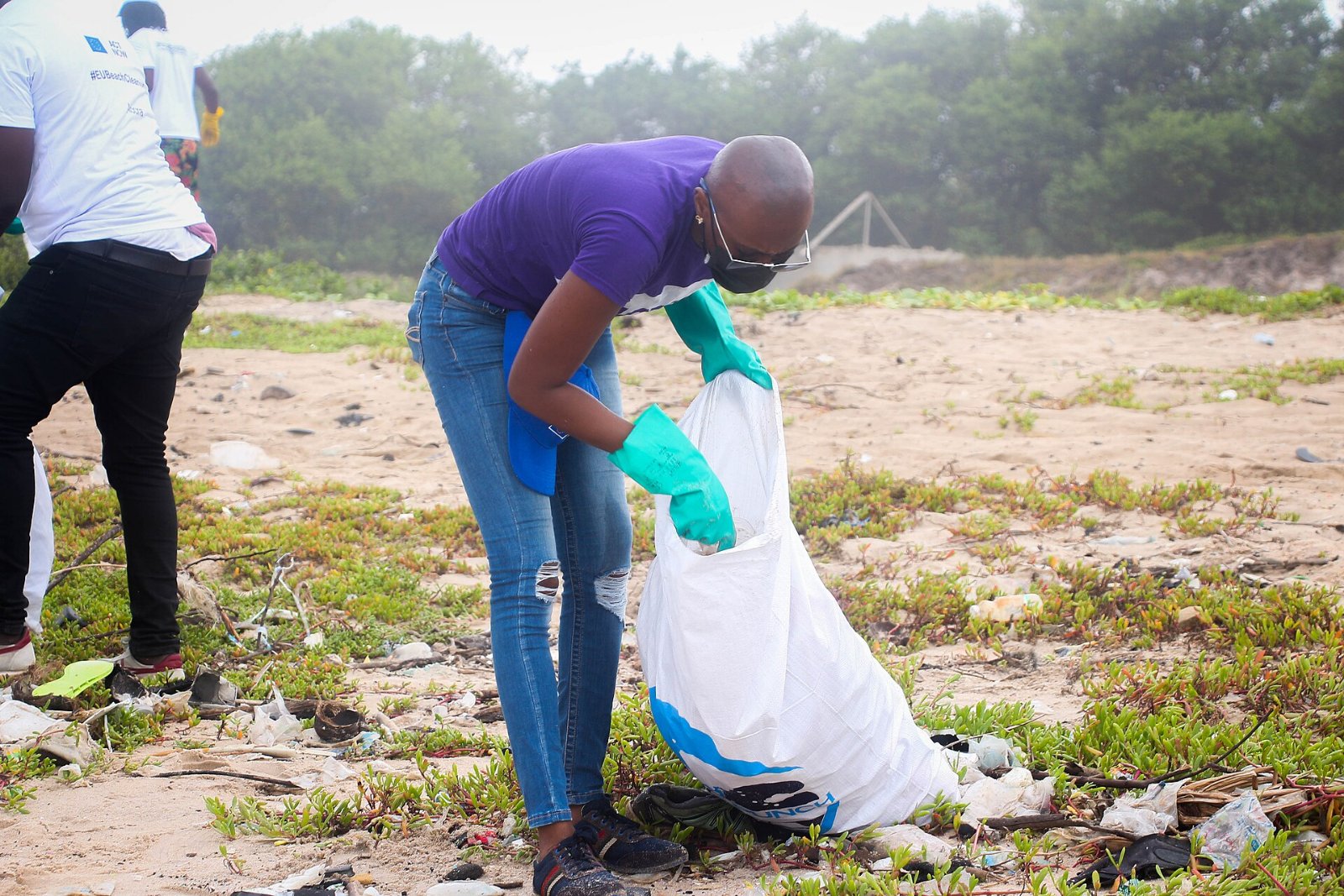
The same pristine coastlines that lured travellers with promises of paradise were now marred by discarded plastic waste.
The rivers and lakes that formed the lifeblood of many tourism-dependent communities carried microplastics in their currents. Worse still, research conducted by the World Health Organization (WHO) and Scientific Reports (2019) confirmed what many feared—plastic particles had infiltrated the global food chain, finding their way into seafood, salt, and even drinking water.
For those of us dedicated to curating meaningful, responsible travel experiences, this crisis was more than an abstract environmental concern—it was a direct contradiction to everything we stand for.
A Sacred Responsibility: Travel as a Custodian of Place
The communities and ecosystems that welcome us—whether the red dunes of the Sahara, the forested highlands of Nepal, or the azure coastlines of the Aegean—are not just scenic backdrops to curated itineraries; they are the heart of the travel experience.
And also home to locals.
Without their generosity, their resources, and their cultural richness, travel would be devoid of meaning.
As travel designers, we have an ethical obligation to be custodians rather than mere visitors.
Tourism should not be an extractive industry that depletes more than it gives; rather, it should be a force for conservation, cultural preservation, and community empowerment.
This philosophy—of honouring the lands and people that welcome us—has been a guiding principle from the very inception of our journey.
A Defining Moment in the Sahara
For us, the stark reality of plastic’s long-lasting impact was made painfully clear in the vast, unrelenting landscape of the Libyan Sahara.
A year after an expedition to the same desert campsite, we returned to find one of our collagen tissue covers drifting across the dunes—a small, seemingly insignificant remnant of our presence, yet a glaring testament to the longevity of human waste in nature.
The realization hit us like a sandstorm.
What we discard does not simply disappear.
Even in the most remote, untouched corners of the earth, our footprint lingers.
That moment marked a turning point.
A Commitment to Change: Responsible Travel in Action
From that day forward, we eliminated plastic-based luggage tags, souvenir packaging, and disposable travel accessories from our operations.
Instead, we committed to:
✔ Biodegradable alternatives: Using compostable, plant-based materials that break down naturally.
✔ Zero-carbon initiatives: Offsetting our emissions through verified carbon reduction programs.
✔ Reforestation efforts: Proudly surpassing one million acres of newly planted forests to combat deforestation and restore biodiversity.
✔ Community-based solutions: Partnering with local artisans to create sustainable, plastic-free travel goods that support traditional craftsmanship.
This shift was not without its challenges.
Luxury travellers are accustomed to certain standards, and removing plastic without compromising quality or experience required innovation, collaboration, and a willingness to challenge industry norms.
However, the overwhelming response from conscious travellers has been a testament to the power of responsible tourism.
The Road Ahead: Travel as a Regenerative Force
The fight against plastic pollution in travel is far from over.
Every year, over 300 million tons of plastic are produced globally, with 91% of it never being recycled (National Geographic, 2018).
However, we believe that tourism, when done responsibly, has the power to be a regenerative force—one that heals rather than harms.
It is no longer enough to be mindful travellers; we must be deliberate stewards of the landscapes, cultures, and communities that make our journeys possible.
Because travel is not just about seeing the world—it’s about ensuring that world remains beautiful, vibrant, and abundant for generations to come.
This is our commitment. What will yours be?
Once Upon a Time: The Unseen Cost of Plastic in Travel.
When the Belgian chemist Leo Baekeland developed the first fully synthetic plastic, Bakelite, at the beginning of the 20th century, he couldn’t even imagine how his discovery would change the world and our lives.
Nevertheless, today, plastic is everywhere, and it is difficult to imagine life without it. It is light, inexpensive, strong and easy to produce and, therefore, applied in almost all areas of life.
This was especially the case in the hospitality and travel industries where, as the number of international tourists kept rising, hotels and tour operators used plastic to optimize their operations.
From straws to eat from, packaging, to toiletries, luggage tags and souvenirs, plastic was the go-to solution – until the issue itself became impossible to ignore.
The Tipping Point: A Crisis in Plain Sight
According to a 2017 study by waste reduction specialists Travel Without Plastic, a typical hotel can use more than 500,000 single-use plastic items in a year. 4.5% of global CO2e emissions are said to come from the production, use and disposal of plastics, as reported in a 2021 study.
What was once considered an essential and practically invisible part of the modern, efficient guest experience became a environmental disaster that one could see with their own eyes.
The same picturesque coastlines that attracted tourists with the promise of paradise were now surrounded by plastic waste. Microplastics travelled through the rivers and lakes that were the lifeblood of many tourism-dependent communities. Then there was the worst; according to the World Health Organization (WHO) and Scientific Reports in 2019, the plastic particles had made their way into the global food chain — turning up in seafood, salt, and even drinking water.
This crisis was not just an abstract environmental issue to those of us who are passionate about creating meaningful, sustainable travel experiences; it was a direct contradiction of everything we believe in.
A Sacred Responsibility: Travel as a Custodian of Place
The locations and environments that we visit – whether it is the red dunes of the Sahara, the forested highlands of Nepal or the azure coasts of the Aegean are not just beautiful backgrounds of the itineraries, but the heart of the travel experience. And also home to locals. If it were not for their hospitality, their resources, their cultural contribution, travelling would be quite pointless. As travel designers, we are custodians and not just tourists. Tourism is not supposed to be an industry that strips and strips and strips while giving nothing in return; it is supposed to be a tourism that is conservationistic, cultural, and community enabling. This philosophy of giving back to the lands and people that welcome us has been one of the main principles of our journey since the beginning of our journey.
A Defining Moment in the Sahara
For us, the effects of plastic in the environment were quite evident in the endless desert of Libyan Sahara. One year after an expedition to the same desert campsite, we returned to find one of our collagen tissue covers floating on the sand, a small, apparently unimportant object that was left by our party but which was proof of our presence and, at the same time, the durability of our waste in the nature.
The ground suddenly seemed to shift beneath our feet. It is as if we were suddenly surrounded by a sandstorm. What we produce does not just disappear. Even in the most isolated and untouched areas of the world, our imprint is left behind. This moment was a turning point for us.
A Commitment to Change: Responsible Travel in Action
Since that day, we have taken out plastic-based luggage tags, souvenir packaging, and other travel accessories from our operations. Instead, we committed to:
✔ Biodegradable alternatives: Using compostable, plant-based materials that break down naturally.
✔ Zero-carbon initiatives: Offsetting our emissions through verified carbon reduction programs.
✔ Reforestation efforts: Replanting over one million acres of new forests to fight deforestation and bring back species.
✔ Community-based solutions: Working with local craftspeople to create sustainable, plastic-free travel products that support local livelihoods.
This shift was not without its challenges. Luxury travellers are spoiled, and to eliminate plastic without affecting the quality of the experience or the experience itself, innovation, partnership, and the willingness to transform the norms of the industry were needed. However, the response from the conscious traveller has been a clear proof that tourism can be an effective tool for positive change.
The Road Ahead: Travel as a Regenerative Force
The struggle against plastic pollution in travel is still ongoing. Every year, more than 300 million tons of plastic are created in the world, 91% of which are not recycled, as stated by National Geographic in 2018. However, I think that tourism if done the right way can be a healing force, a force that restores rather than destroys. We can no longer be mere conscious travellers; we have to be intentional guardians of the environments, cultures and communities through which we travel. Because travel is not just about seeing the world, it is about making sure that the world we see remains beautiful, vibrant and plentiful for the next generations.
This is our commitment. What will yours be?
Image: Plastic waste 11 — Antorsu10, CC BY-SA 4.0, Wikimedia Commons